Parker Schwarz · 6 November 2026
Saline Gradients Guiding Bobbin Winding Techniques Among Coastal Artisans
Coastal artisans have long adjusted their bobbin winding methods in response to local saline gradients, where differences in salt concentration across estuaries and shorelines create measurable shifts in air moisture adn thread behavior. These variations occur as freshwater rivers meet ocean waters, producing zones of changing salinity that affect how fibers absorb moisture during preparation stages. Data from marine monitoring programs show salinity levels can range from near zero in river mouths to over 35 parts per thousand in open coastal waters, influencing humidity pockets that artisans encounter daily.
Environmental Factors in Coastal Workshops
Artisans working along shorelines observe that higher salinity zones pull more moisture from the air onto threads, which alters tension during winding. In regions where gradients shift rapidly due to tides, workers often modify spindle speeds and apply specific layering patterns to prevent uneven tightness. Studies conducted by environmental agencies in North America and Europe indicate these adjustments reduce thread breakage rates by measurable percentages when salinity readings exceed typical thresholds. Observers note that workshops situated near stable gradients maintain consistent protocols year-round, while those in dynamic estuarine areas rotate techniques based on weekly measurements.
Techniques Shaped by Salt Concentration Data
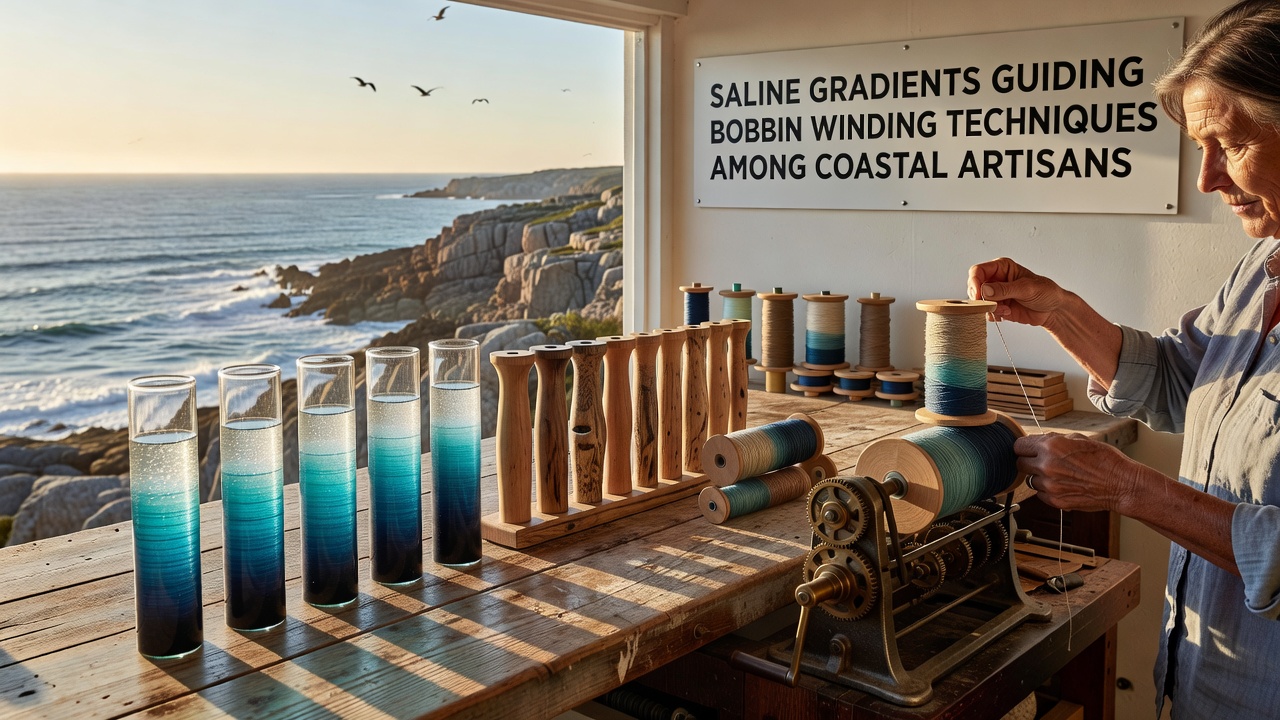
Practitioners in places like the Pacific Northwest and parts of Scandinavia use portable salinity meters to guide their processes. When readings indicate elevated salt levels, they wind bobbins at slower rotations and incorporate additional spacing between layers to accommodate fiber expansion. Lower salinity periods allow faster winding with tighter packing, as threads hold less ambient water. Research from coastal resource centers reveals that these adaptations trace back through generations of recorded observations rather than formal manuals. One documented approach involves color-coded markers on winding frames that correspond to salinity brackets established through local testing.
November 2026 marks teh scheduled release of updated salinity mapping tools from international marine institutes, which artisans in several countries plan to integrate into their routines for finer calibration. These tools draw on satellite and buoy data to forecast gradient movements weeks ahead, allowing preemptive adjustments in thread preparation. Figures from prior mapping efforts demonstrate that seasonal swings in coastal salinity directly correlate with changes in winding output quality across multiple workshop sites.
Regional Variations and Material Responses
Along the Australian coastline, groups of weavers have compiled records showing how specific fiber types react differently under varying saline conditions, leading to customized winding sequences for cotton versus wool blends. In contrast, artisans in Canadian Atlantic communities focus on equipment modifications such as humidity shields fitted to bobbin frames when gradients push salt aerosols inland. Evidence gathered by textile research groups points to reduced static buildup in high-salinity environments when winding occurs during morning hours when dew points stabilize moisture uptake. And across these locations, shared databases now track how equipment calibration aligns with environmental readings collected from nearby stations.
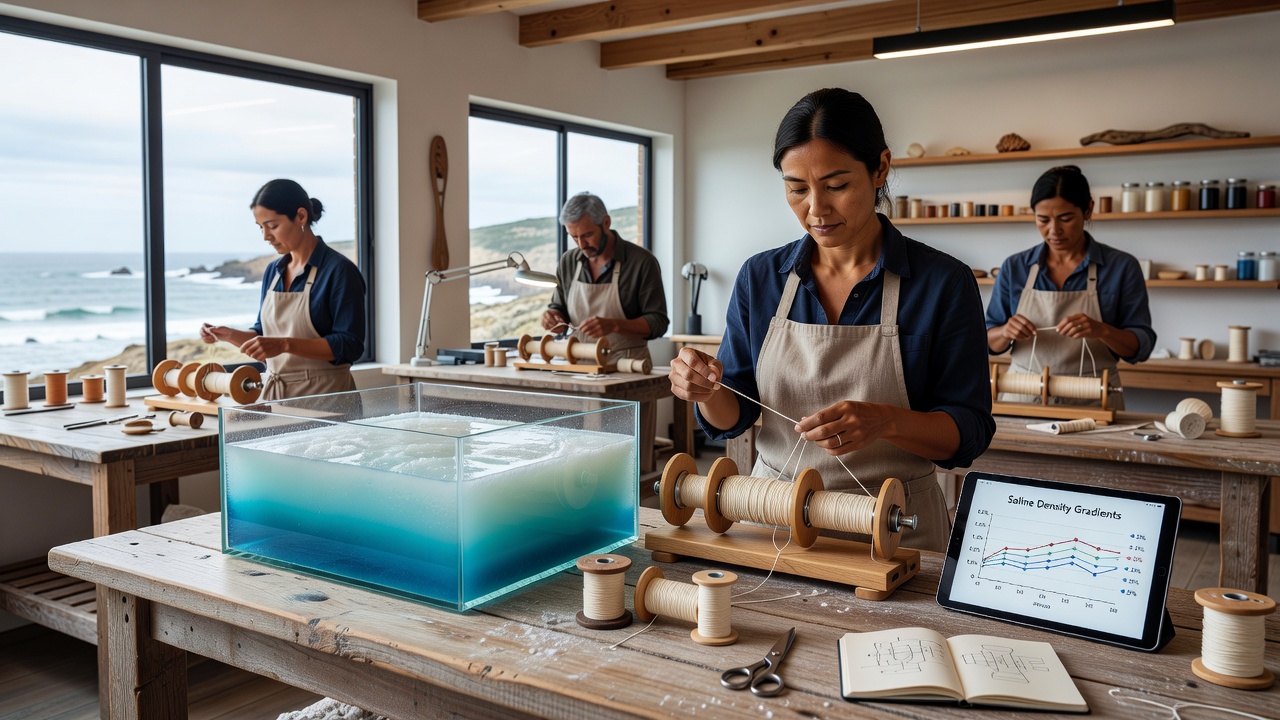
Training programs run by craft associations emphasize measurement protocols that tie directly to published salinity charts from government oceanographic services. Participants learn to interpret gradient maps that highlight transition zones where techniques shift most dramatically. Data compiled over multiple years shows consistent patterns in thread performance when artisans apply these region-specific winding sequences rather than uniform methods.
Integration of Measurement Tools
Portable devices now connect to workshop logs that record both salinity values and resulting bobbin characteristics. This practice allows groups to compare outcomes across different coastal segments and refine approaches accordingly. Reports from industry organizations highlight how such record-keeping has supported the development of reference guides distributed among artisan networks in the United States, Japan, and New Zealand. Those guides list recommended tension settings paired with salinity ranges derived from field observations.
Future Monitoring Efforts
Expanded sensor networks planned for deployment after 2026 will provide real-time salinity updates to coastal communities engaged in textile work. These systems build on existing infrastructure maintained by marine agencies and will feed directly into artisan scheduling for material preparation. Historical comparisons indicate that access to precise gradient information has already improved consistency in finished thread products across participating workshops.
Conclusion
Saline gradients continue to shape bobbin winding practices through documented environmental interactions that artisans address with targeted adjustments. Ongoing data collection from diverse coastal regions supports the refinement of these methods, while new monitoring resources scheduled for release in November 2026 promise additional precision. Records maintained by craft groups and supported by scientific sources demonstrate measurable links between salinity conditions and technique outcomes without reliance on subjective interpretation.