Rosa Becker · 25 September 2026
Bay Water Movement Effects on Textile Machinery Calibration Protocols
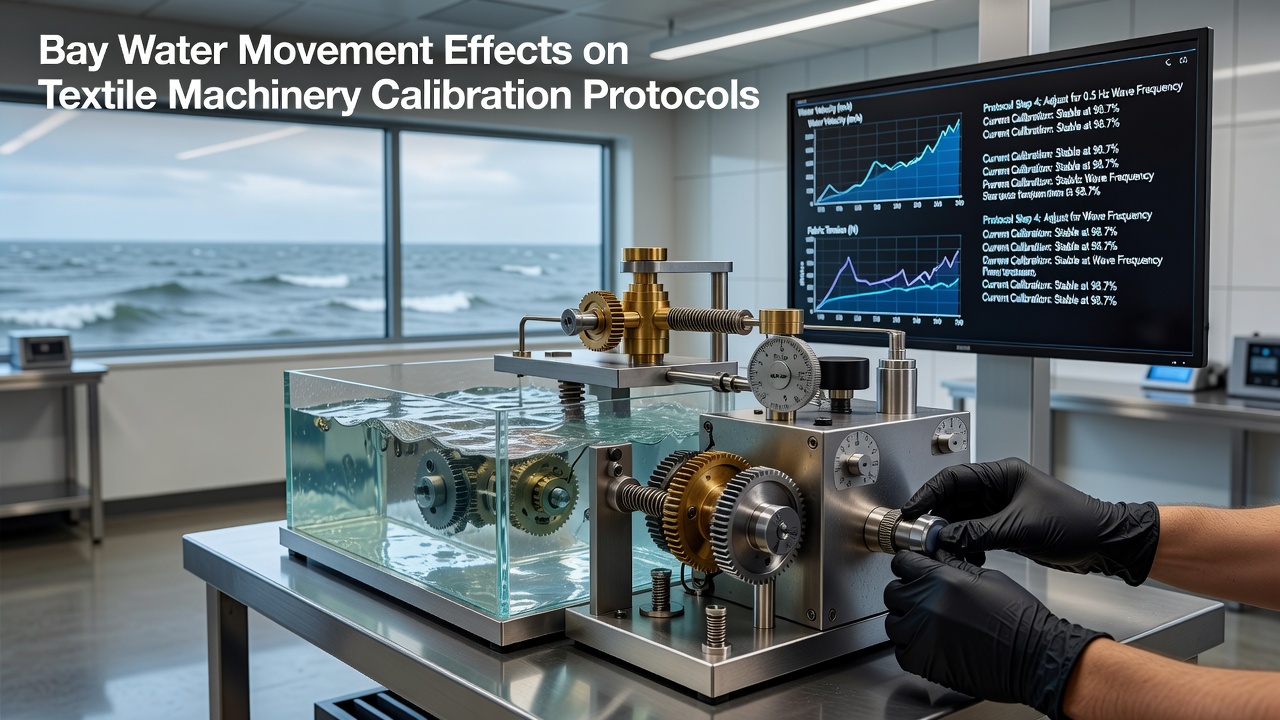
Bay water movement introduces consistent environmental variables that alter the performance of textile machinery calibration protocols in coastal production sites. These movements generate shifts in humidity levels, salinity exposure, and subtle vibrational patterns that reach factory floors located near estuaries and inlets. Textile operations along such waterways must account for these factors when establishing baseline measurements for equipment such as spinning frames, looms, and dyeing systems. Studies conducted by coastal engineering teams show that daily tidal cycles create measurable changes in ambient moisture that affect sensor accuracy in automated calibration setups.
Environmental Factors Introduced by Bay Dynamics
Water movement in bays produces periodic changes in local air pressure and temperature gradients, which in turn influence the expansion and contraction rates of metal components within textile equipment. Researchers tracking facilities in regions with significant tidal ranges have recorded how these gradients lead to incremental drift in alignment sensors over periods of several hours. Salinity carried by aerosol particles settles on machinery surfaces, creating conductive layers that interfere with electronic calibration interfaces. Data collected from monitoring stations maintained by the National Oceanic and Atmospheric Administration indicates that peak aerosol deposition occurs during incoming tide phases, requiring facilities to adjust cleaning intervals within their standard operating procedures.
Textile manufacturers operating in these environments integrate real-time environmental sensors into calibration workflows to compensate for these variables. Protocols now include scheduled recalibrations timed to coincide with specific tidal stages rather than fixed clock intervals. This adjustment reduces cumulative errors in thread tension settings and pattern registration systems that rely on precise mechanical positioning.
Adjustments to Calibration Protocols
Updated calibration sequences incorporate compensation algorithms that factor in recorded bay water levels and corresponding humidity readings. Engineers at affected sites program these sequences to trigger additional verification steps when salinity monitors exceed established thresholds. Equipment that processes delicate fibers shows particular sensitivity, as even minor calibration offsets can produce visible defects in finished fabrics. Industry reports from the Textile Research Council in Canada document how facilities that adopted tide-synchronized protocols reduced defect rates by measurable percentages compared with those using static schedules.
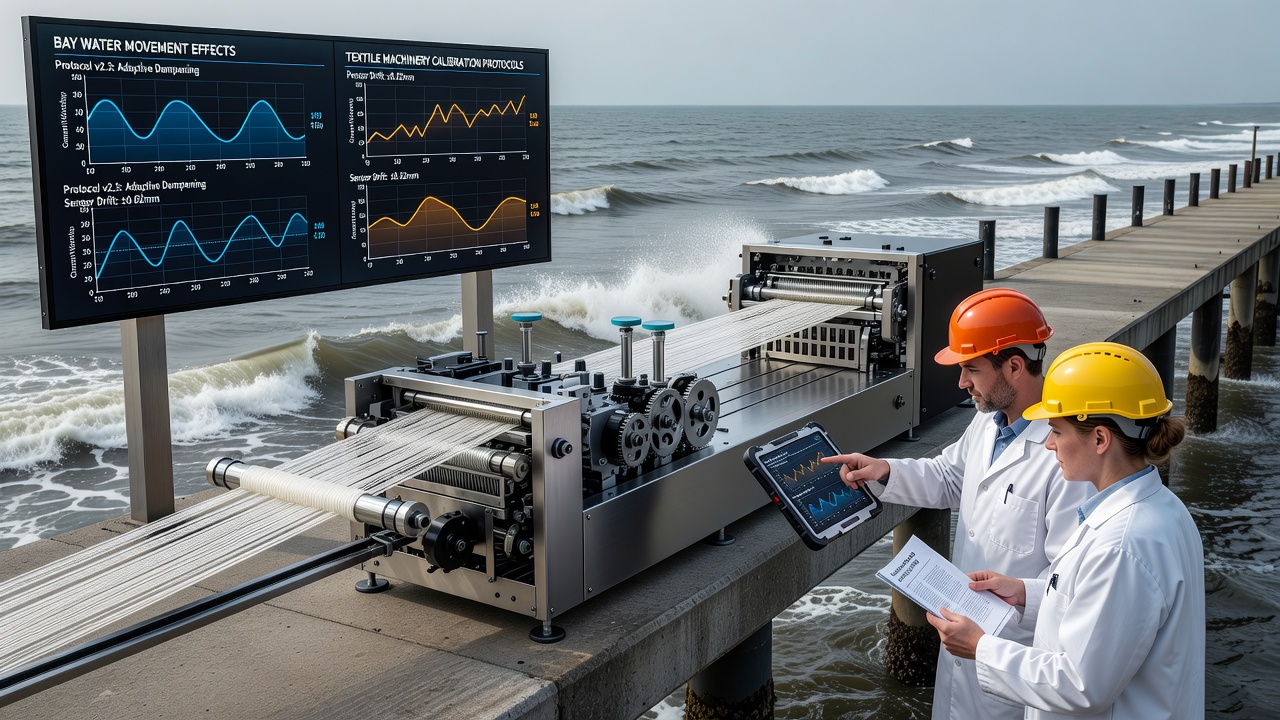
Maintenance teams perform cross-checks between mechanical reference points and digital readouts at multiple points during each shift. These checks account for gradual foundation settling that occurs when groundwater saturation rises with high tide conditions. Calibration protocols now specify the use of corrosion-resistant reference gauges in areas exposed to salt-laden air, replacing earlier standards that assumed stable inland conditions.
Implementation in Coastal Production Sites
Facilities located along the Gulf Coast and in parts of Northern Europe have revised their quality assurance documentation to include bay water movement parameters. Training programs for calibration technicians now cover interpretation of tidal charts alongside traditional metrology techniques. One plant in a documented case study integrated data feeds from nearby hydrological stations directly into its manufacturing execution system, allowing automated alerts when conditions approached levels known to affect sensor drift. Such integrations demonstrate how external environmental data streams become part of internal calibration routines.
Equipment suppliers have responded by offering optional environmental compensation modules that interface with existing control systems. These modules draw on historical datasets of bay conditions to predict periods requiring heightened monitoring. Protocols emphasize verification using multiple independent measurement methods during high-movement intervals, ensuring that single-point failures do not compromise overall accuracy.
Developments Expected by September 2026
Regulatory bodies in several coastal jurisdictions plan to release updated guidelines for environmental compensation in industrial calibration by September 2026. These guidelines are expected to reference expanded datasets from long-term monitoring projects that track correlations between bay dynamics and machinery performance metrics. Textile associations anticipate that adoption of these standards will standardize practices across regions currently handling such variables through site-specific methods. Equipment certification processes may incorporate testing under simulated bay conditions as part of compliance requirements.
Conclusion
Bay water movement creates ongoing requirements for adaptive calibration protocols in textile machinery operations. Facilities that incorporate tidal and salinity data into their procedures maintain consistent output quality despite environmental fluctuations. Continued refinement of these approaches, supported by expanding environmental monitoring networks, supports reliable performance in coastal manufacturing settings.